Yemen - Saudis Throw The Towel - Saleh is Baaack - Russia Wins
The war on Yemen has finally taken a turn towards an end. Former President Saleh is back in his leading position. They Saudis accepted their defeat. The Houthis will be thrown out of the capital Sanaa and return to their northern areas. Yemen is devastated and will need to rebuild. Everyone who participated in this war has lost. The only winner is Russia.
A recap:
During the "Arab spring" (U.S.) induced Yemeni revolution President Saleh was kicked out after ruling the country for 34 years. In 2012 the former Vice-President Hadi was "elected" as the new president on a one choice ballot. With U.S. support the system prevailed.

bigger
As I noted at that time:
The U.S. missed the chance to use the movement against Saleh for some real transition in Yemen. This will come back to bite.
Hadi was a Saudi puppet unable to rule the country. He tried to form a unity government under the National Dialogue Conference sponsored by the Gulf Cooperation Council. But two major constituencies were left out of the effort: the northern Yemeni Houthis of Zaidi belief, who for years had fought against Saudi-Wahhabi indoctrination in Yemen, and the followers of the ousted President Ali Abdullah Saleh. The Houthis and Saleh had fought each other for over a decade. Now they had a common enemy and united their efforts.
In 2015 the Houthi and Yemeni army troops loyal to Saleh took over the capital Sanaa. Hadi resigned (twice), fled to Aden in the south and later onto Riyadh in Saudi Arabia. The Saudis were afraid to lose influence over their dirt poor but self-confident neighbor. They falsely alleged that the Houthis were supported by their perceived arch-enemy Iran. They declared war on the country and tried to invade it. The U.S. and the UK supported and still support the Saudi war with intelligence, refueling flights for Saudi bombers and massive weapon supplies.
The Saudis sent their troops to invade the country, their neighboring United Arab Emirates sent its forces and additional mercenaries were hired from Sudan, south America and where ever they could be found. All to no avail. While the Saudis dropped more than 100 bombs per day onto Yemen their forces were defeated every time they tried to enter the mountainous heartland. The Houthi counterattacked within Saudi Arabia. They had no shoes but huge balls. Hundreds of Saudi border posts and military checkpoints were destroyed by them.

The Saudis tried to starve the Houthis of weapons, food and other supplies. They blockaded the country and bombed weapon depots, factories and all infrastructure. They completely destroyed Houthi cities in the north and tried to assassinate the leaders of the rebellion. Tens of thousands of Yemenis died in the often indiscriminate attacks. But the Houthi held out. For decades Yemen had been filled up with weapons. During his decades long rule former president Saleh had stashed ten-thousands of tons of ammunition and equipment. Additional supplies were captured or bought from the Saudi mercenaries.
The former Yemeni army units loyal to Saleh, as well as Saleh himself, stayed in the background. Their most visible contribution to the war was the launch of short range ballistic missiles (SRBM) against Saudi cities and military positions. These weapons had been bought earlier and were modified to have extended reach (see the excursion below).
The Saudi were stuck in a stalemate that cost them over $800 million per month. Al-Qaeda and the Islamic State were flourishing in the south which the Saudis and their allies nominally controlled. Saudi proxies were infighting with troops from the UAE. Missiles were falling down on Saudi cities. While only few missiles hit their targets each of them demonstrated the impotence of the Saudi rulers.
The Saudis finally send out peace feelers to former president Saleh. The Russians, who had kept their embassy in Sanaa open throughout the war, acted as the middleman. In mid October the first results of the diplomatic efforts became visible:
A Russian medical team flew into Sanaa on Oct. 11 with the approval of the Saudis, who control Yemeni airspace. The Russian surgeons then performed a life-saving procedure on the 75-year-old Saleh. Some reports say the surgery took place at the Russian Embassy in the capital. Saleh's exact health issue is unclear, but it apparently is a result of the severe burns and other injuries he suffered during an assassination attempt in 2011.
...
Most likely the Saudis are hoping to break the rebel alliance between Saleh and the Houthis, which has been fraying this year.
...
Both King Salman bin Abdul-Aziz Al Saud and his son, Crown Prince Mohammed bin Salman, have their prestige heavily invested in this war. They rushed into it precipitously 2½ years ago.
...
Salman was in Moscow earlier this month for an unprecedented state visit to Russia. ... It is reasonable to assume that the king and Putin discussed the Yemeni imbroglio. Russia has been openly critical of the UN's approach to the conflict, which Moscow rightly says is too friendly to the Saudi argument and insufficiently even-handed.
While Saleh was sick, the Houthis became uppity. They arrested and killed Saleh followers in Sanaa, occupied bases of his troops and raided homes of his officers. They may have gotten wind of the ongoing negotiations between Saleh and the Saudis. Over the last months their behavior towards their compatriots in Sanaa became unendurable.
Meanwhile negotiations between Saleh and the Saudis were ongoing in the backrooms and on the battle field. On November 4 the Yemeni troops launched a missile against the airport of the Saudi capital Riyadh. U.S. provided missile defense systems destroyed the missile before it hit, but the public damage was done. A serious hit on the airport would likely close it for civilian traffic. The economic and political consequences for the Saudi tyrants would be huge.
The Saudis responded with a total blockade of Yemen. Neither food nor medicine was allowed to pass. This led to a famine, hundreds of death per day and finally to a public outcry from the otherwise slavish UN. Not even the hundreds of millions the Saudis spend to manipulate the global media could prevent the backlash.
Another missile was fired on Thursday to increase the pressure. It targeting the southern Saudi city of Khamis Mushait. The Saudis finally folded. They agreed to Saleh's conditions.
We do not yet know what these conditions are but Saleh publicly announced that a deal had been made and immediately went to work. His first target were the no-longer-allied Houthi:
ADEN (Reuters) - Former Yemeni President Ali Abdullah Saleh said on Saturday he was ready for a "new page" in relations with the Saudi-led coalition fighting in Yemen if it stopped attacks on his country.The call came as his supporters battled Houthi fighters for a fourth day in the capital Sanaa while both sides traded blame for a widening rift between allies that could affect the course of the civil war.
...
"I call upon the brothers in neighboring states and the alliance to stop their aggression, lift the siege, open the airports and allow food aid and the saving of the wounded and we will turn a new page by virtue of our neighborliness," Saleh said in a televised speech.
The Saudis likewise publicly announced their agreement:
The Arab coalition has made a statement on Saturday amidst the ongoing fierce clashes in Sanaa.
...
The coalition also said that it recognizes the noble members of the the Yemeni General People’s Congress (GPC), the GPC’s leadership and the Yemeni people who were forced to remain under Houthi-Iranian control. Also, the coalition recognizes that these noble individuals have endured numerous murder threats, torture, bombings and seizure of public and private property.
The Yemeni General People’s Congress (GPC) is Saleh's party. He is still the GPC chairperson. Saleh is now again the Saudi accepted ruler of Yemen. The "legitimate" president Hadi will be buried in Riyadh.
Saleh called on all his followers to oust the Houthi from their positions. His nephew and potential successor Colonel Tariq Mohammed Abdullah Saleh will lead a new military council and run that side of the business. Houthi posters in Sanaa have been teared down. There is some fierce fighting ongoing in the city. Sanaa is Saleh territory. His troops are prepared and he is very likely to win the fight.
It is now left to Saleh and his family and followers to clean up the utter mess the U.S. induced "revolution" and the Saudi war on Yemen have caused. The Saudis will have to pay billions in reparations. Saleh's family will plunder a huge share of these. Despite the money Saleh is, like always, no ones puppet but the snake that bites everyone who stands in his way. That is how and why he could rule for so long.
The Houthis, who bravely fought against the Saudis, became too sure of themselves and too obnoxious towards their own people to be able to rule. They will be ousted from Sanaa and pushed back into their devastated northern homelands.
Everyone in Yemen lost in this war. Many, many have died for no good reason. It will take decades to rebuild all that was destroyed. The Saudis and the U.S. behind them have lost face and standing throughout the Arab world. They tried to fuck Yemen but Yemen fucked them.

The only real winners of the war are the Russians. They again demonstrated that they are able to create peace where the U.S. only creates war and chaos.
---
Excursion:
The Saudis have alleged all along that the Houthi are an Iranian proxy force. That is not true. The Houthis are not Shia and not follower of Iranian state doctrines. They don't take orders. The military support they receive from Iran is minimal. The Saudis especially allege that the missiles fired under the Houthi label by the former Yemen troops under Saleh's command are of Iranian origin. But that is unlikely. Yemen has been under Saudi blockade for more than two years and ballistic missiles can not be smuggled under a coat. Yesterday Reuters released a short piece in supports of the Saudi allegations. But a closer reading shows that these are false.
In mid November a confidential report by a UN panel found no evidence that the missiles launched against the Saudis are of QIAM-1 type from Iran:
“The supporting evidence provided in these [Saudi] briefings is far below that required to attribute this attack to a Qiam-1 SRBM,” wrote the panel. “The Saudi-Arabia led coalition has not yet though attributed the attempted attack against KKIA” — King Khalid International Airport, in the Saudi capital Riyadh — “to any particular type of SRBM.”“The Panel has seen no evidence to support claims of SRBM having been transferred to the Houthi-Saleh alliance from external sources in violation of paragraph 14 of resolution 2216,” the brief went on.
Like the specialists of IHS Janes (see below) the UN panel assessed that the missiles were modifications of a type that Yemen had earlier bought from North Korea:
The Yemeni military, the panel added, retained existing stockpiles of SCUD-B and Hwasong-6 missiles that were not completely destroyed by earlier Saudi airstrikes. The panel cite a Houthi spokesperson who said missiles that had been damaged were subsequently repaired and modified. “The panel has not discounted though that Yemen based foreign missile specialists may be providing advice,” the brief cautioned. The panel raised the possibility that missiles may have been altered to extend their range to reach targets farther into Saudi Arabia.
Now Reuters is trying to revive the Saudi claim by reporting on a new assessment with a very deceiving headline. Exclusive: Yemen rebel missiles fired at Saudi Arabia appear Iranian - U.N.:
Remnants of four ballistic missiles fired into Saudi Arabia by Yemen’s Houthi rebels this year appear to have been designed and manufactured by Riyadh’s regional rival Iran, a confidential report by United Nations sanctions monitors said, bolstering a push by the United States to punish the Tehran government.
The Reuters claim in its opening paragraph is not what the panel really said. Deeper into the report:
The independent panel of U.N. monitors, in a Nov. 24 report to the Security Council seen by Reuters on Thursday, said it “as yet has no evidence as to the identity of the broker or supplier” of the missiles
...
“Design characteristics and dimensions of the components inspected by the panel are consistent with those reported for the Iranian designed and manufactured Qiam-1 missile,” the monitors wrote.
I agree that the "design characteristics" and "dimensions of components" are consistent with the QIAM-1. The explanation for that is trivial. The Iranian QIAM-1 is:
a licensed copy of the North Korean Hwasong-6.
The Hwasong-6:
is a North Korean tactical ballistic missile. It is derived from the Hwasong-5, itself a derivative of the Soviet R-17 Elbrus. It carries the NATO reporting name Scud.
According to an IHS Janes report (pdf) the missiles the Saleh government of Yemen had bought from North Korea were of the Hwasong-5 and probably Hwasong-6 type:
Prior to the outbreak of the current conflict, Yemen was known to have acquired R-17 Elbrus (SS -1C 'Scud B') ... ballistic missile systems from the Soviet Union
...
Spanish naval vessels intercepted a ship carrying 15 Scud-type ballistic missiles to Yemen in December [2002]. That ship was later allowed to complete the delivery. The missiles found on board were 'Scud Bs' (a reference to North Korea's Hwasong-5 copy of the R-17), according to a June 2003 US diplomatic cable. ,,, [I]t is possible that it was one of several shipments that also included longer-range variants such as the Hwasong-6, which is also known as the 'Scud-C', and has a range of 500-550 km.
The Yemen army has over 30 years of experience with Scud-type missiles and knows how to modify these. They revealed "new Yemeni made" Burkan missiles before they fired on Riyadh. Janes notes:
The stated dimensions of the Burkan-1 suggest that it is a standard Scud that has been lengthened with additional sections welded into its fuselage and fuel tanks so that it can carry the additional propellant needed to extend its range. Iraq carried out similar modifications to produce Al Hussein missiles capable of reaching Tehran during the 1980-88 Iran-Iraq War.
...
The Burkan-2 appears to use a new type of warhead section that is locally fabricated. Both Iran and North Korea have displayed Scud derivatives with shuttlecock-shaped warheads, but none of these match the Yemeni version. The range of the Burkan missiles also appears to have been extended by a reduction in the weight of their warheads.
The Yemenis use locally modified Haewsong-5 and 6 missiles bought from North Korea. Iran builds a licensed copy of the Haewsong-6 under the name QIAM-1. These QIAM missiles will naturally have similar "design characteristics" and "dimensions of components" as the North Korean missiles the Yemenis use.
Reuters is pointing its readers into the false direction when it claims that the Yemeni missiles "appear Iranian". In reality both, the Yemeni Burkan as well as the Iranian QIAM, are variants of the same North Korean Haewsong-5 and 6 which are themselves copies of the Soviet R-17/Scud-B/Scud-C types. All of these were build from the same specification sheet and engineering drawings. That their dimensions and parts look alike, as the UN panel says, follows from that but proves absolutely nothing.


 n unnamed coconspirator sent emails 'that contemplated Nordlicht and Co-Conspirator 1 fleeing from the United States and illustrated their knowledge and awareness of the fraudulent scheme perpetrated on Platinum's investors and prospective investors.'" The e-mail from Co-Conspirator 1 stated "Don't forget books. Assume we are not coming back to ny[.] Just to be safe. Depends on Miami[.] We can fly straiggt [sic] to europe from miami on Tuesday[.] Take passport." Nordlicht responded in an email to Co-Conspirator 1: "Am on my way to jfk with kids for their 6 pm flight to Israel. [Co-Conspirator 2] ducking my calls . . .[My wife] is literally making me get on Israel flight if we don't connect and agree what we are doing."
 2012. [pictured, right]. Black Elk and its sub-contractors were named in 41 citations issued by the Interior Department's
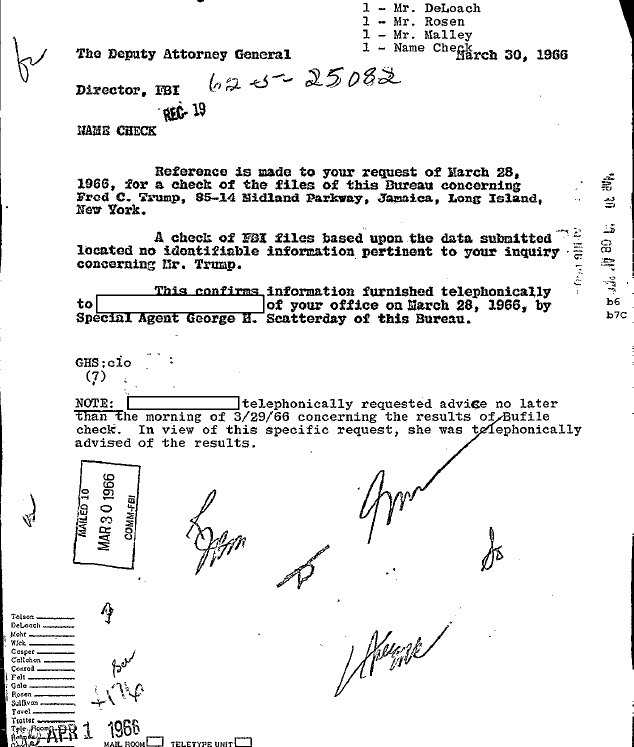

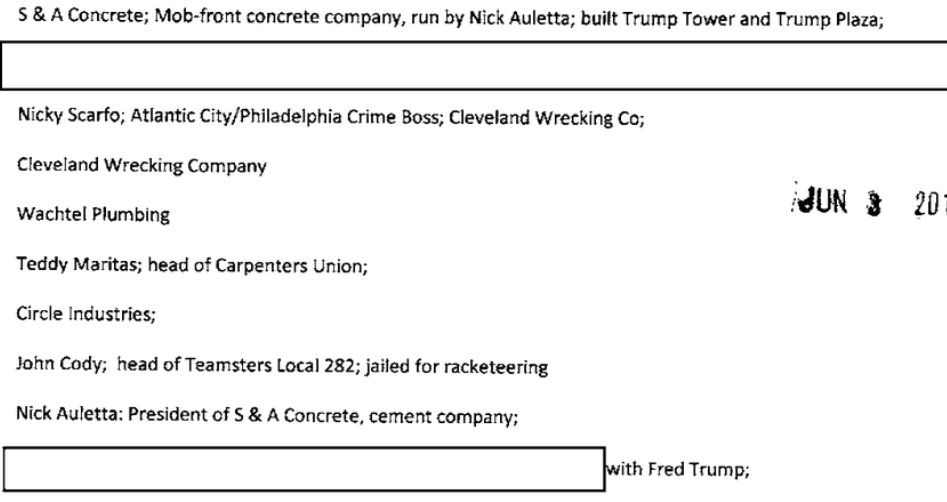
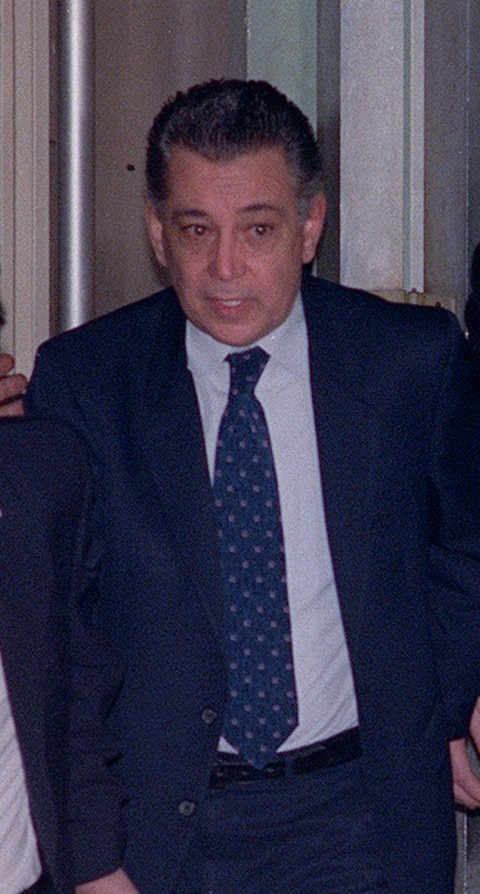 Castellano was murdered in a gangland hit in 1985 that was arranged by John Gotti. Salerno died in federal prison in 1992. Nick Aueltta died in 2013. Scarfo [pictured left] died in federal prison, while serving a life term, on January 13 of this year, a week before Donald Trump was sworn in an president. Savino died on September 30, 1997 at the age of 55 of unknown causes while living in an undisclosed location as part of the federal witness protection program. Maritas disappeared in March 1982, a day before he was to go on trial for racketeering, near the Throgs Neck Bridge in New York. Maritas's wallet was found in shallow water and a $100 bill was discovered floating on the water. Federal tax evasion charges were suddenly dropped against Marchelletta in 2012. Cody died in 2001. Sullivan died of a heart attack in 1993 at the age of 54, after he began cooperating with the FBI in a probe of Donald Trump's Atlantic City mob ties. Sullivan also said he knew what happened to the body of former Teamsters president Jimmy Hoffa, but gave no details. Donald Trump revealed that he understood that Sullivan killed Hoffa. Shapiro died in the 1990s with no details available. Halloran disappeared in Manhattan in August 1998 while visiting the city from his home in Fort Lauderdale. Matthews was recalled as Atlantic City mayor in 1984 and later convicted for extortion. Matthews was sentenced to 15 years in prison but was paroled in 1990 and died in 2014.
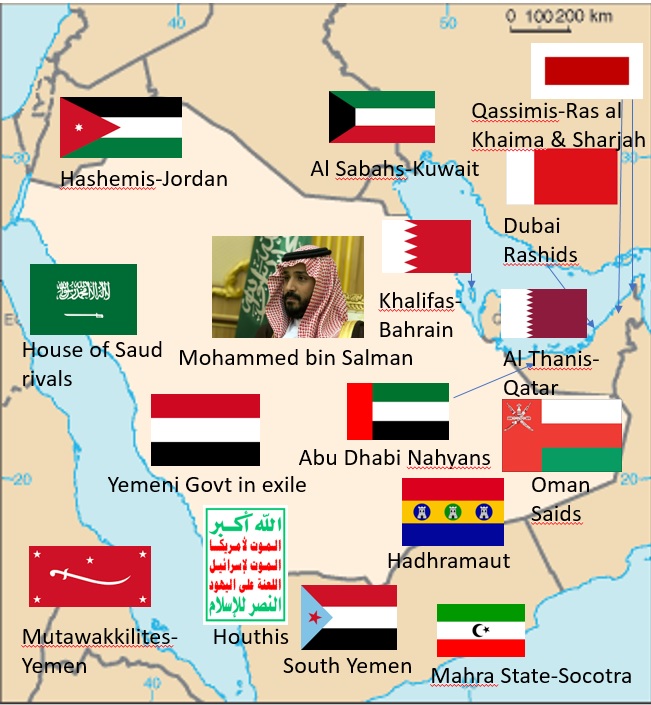 Many senior officials of the late King Abdullah's government are being systematically purged by MBS and his loyalists. They include Prince Turki bin Abdullah, a former governor of Riyadh province, and Khaled al-Tuwaijri, the chief of the Royal Court under Abdullah.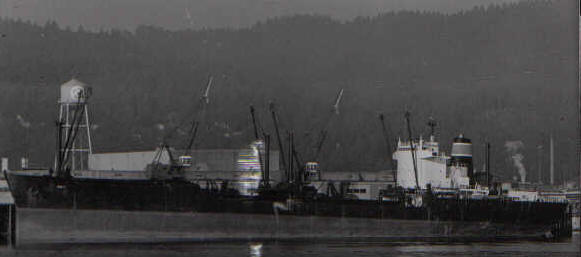
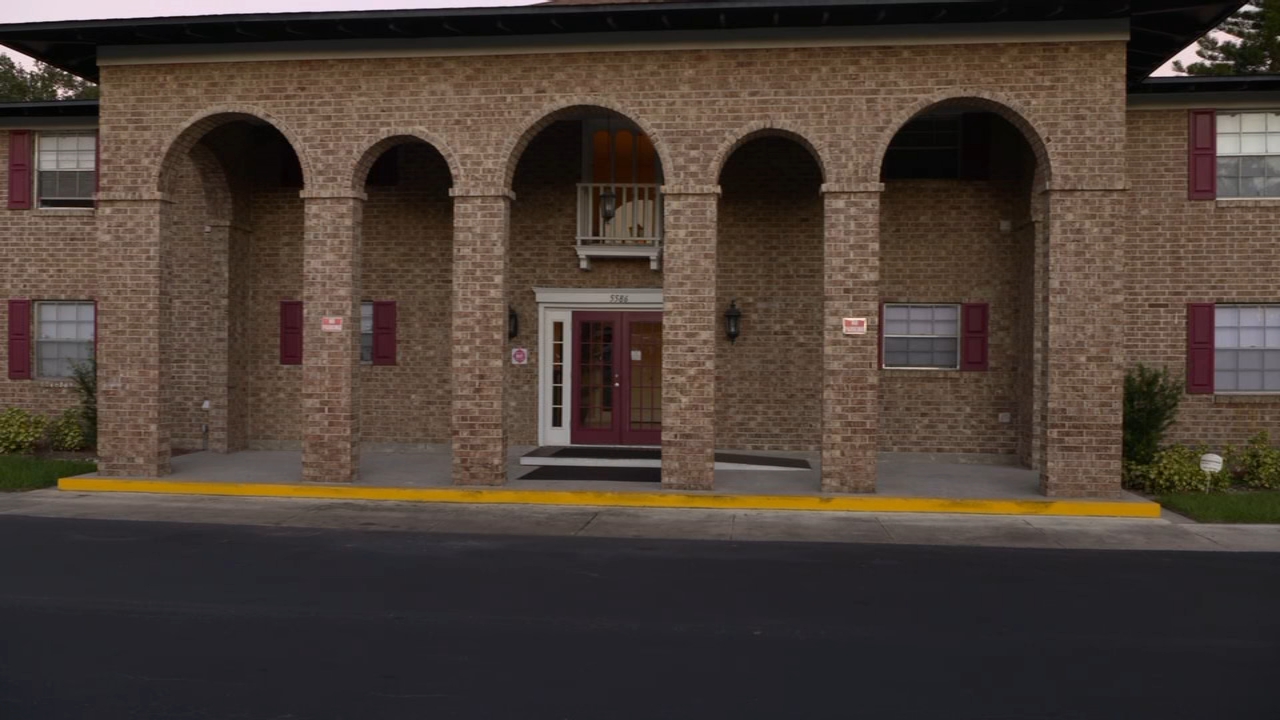 Tampa authorities are reporting that Saipov's Florida address of 5586 Granada Boulevard, Apartment 102, Tampa, Florida 33617 on his Florida driver's license is for an apartment that is currently undergoing the type of refurbishment that is common prior to a new renter moving in. [pictured, right] It is unclear whether Saipov, a commercial truck and Uber driver, was planning to move to Tampa, where he had recently established Florida residency by obtaining a Florida license. Saipov also drove a white Toyota Sienna with Florida license plates. Saipov and his family had lived in Paterson for only a few months.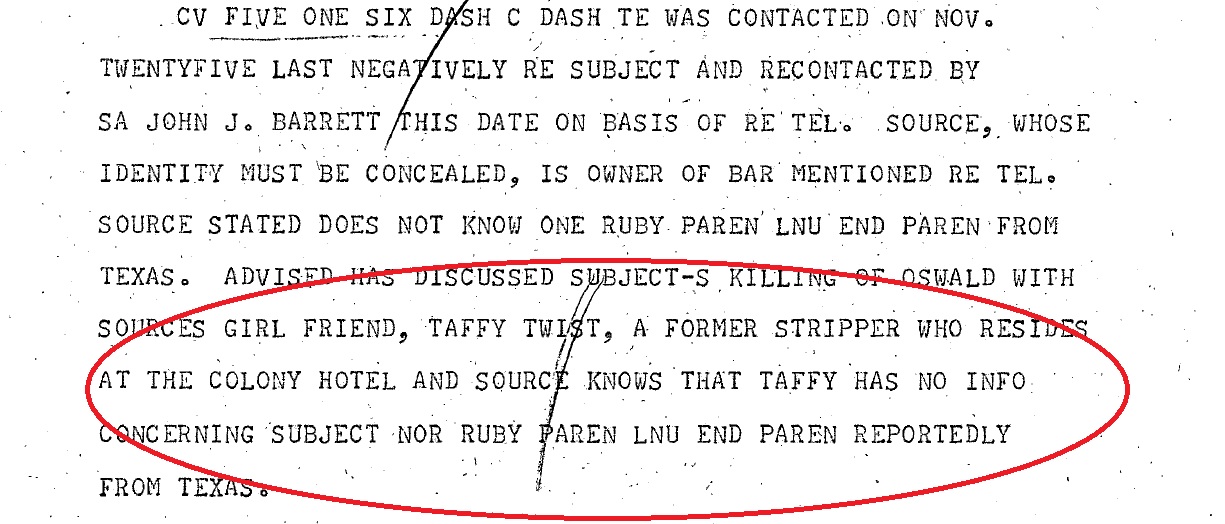

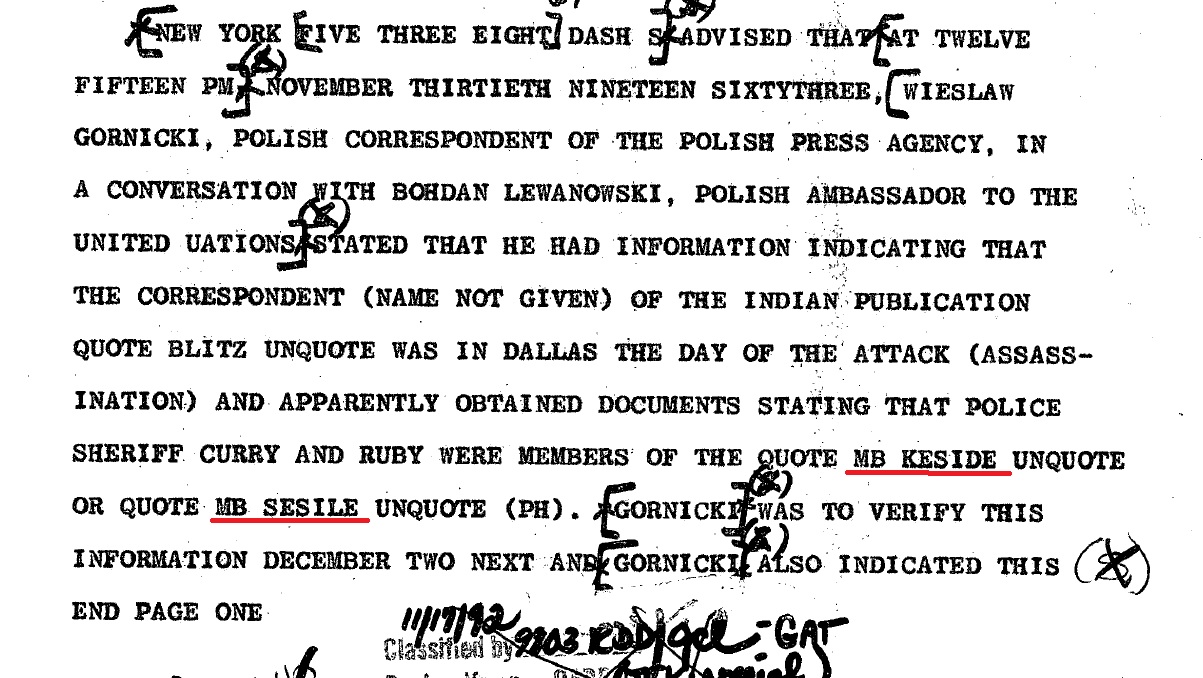
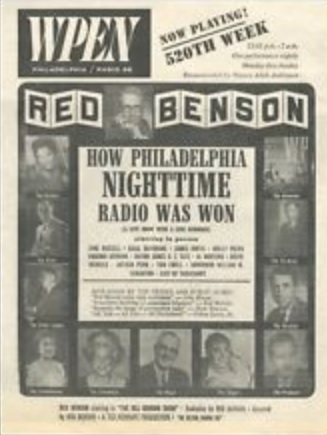 identity of a "JHC" who "sent a letter to Dallas," and a post card to radio station WPEN in Philadelphia that concerned Ruby. The FBI telex states that Theodore Reinhart, the producer of the night talk program, the Red Benson Show on WPEN, was an "established source" for the FBI. Reinhart used the Red Benson Show to appeal to "JHC," who apparently called into the Red Benson Show sometime after January 1, 1963 and before November 22, 1963 with information concerning Ruby and the planned assassinations of JFK and Lee Harvey Oswald, to "come forward" with his or her identity. There is no indication that "JHC" ever surfaced.
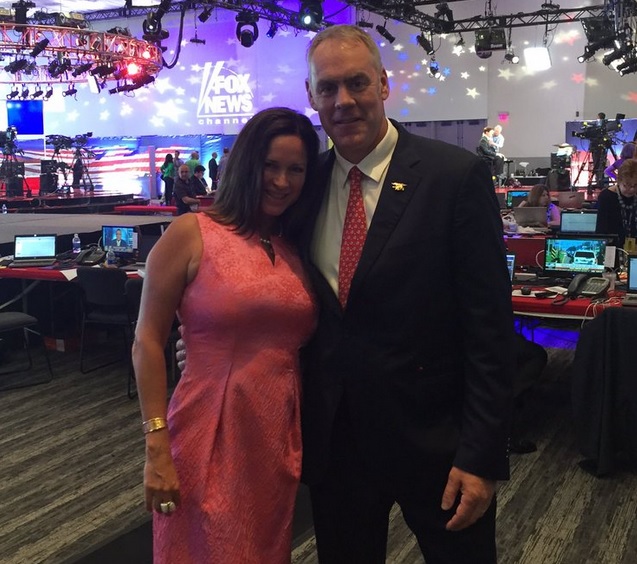 Whitefish, received a $300 million no-bid contract from the Puerto Rico Electric Power Authority (PREPA) to repair the electrical grid of Puerto Rico that was virtually wiped out by Hurricane Maria. The day Maria struck Puerto Rico,
  Whitefish Energy had just two employees and during this past summer, Zinke's son worked at one of Techmanski's construction sites in Montana. Our sources report that Mrs. Zinke was the main intermediary between Techmanski [pictured left] and her husband in steering the PREPA contract to Whitefish Energy.
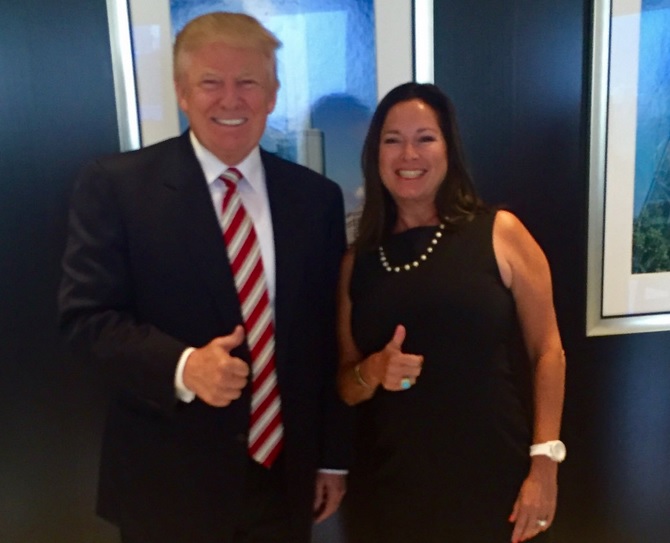 friends of former Whitefish resident Richard Spencer, the neo-Nazi leader who moved to the Washington, DC area after Donald Trump's election. Lolita Zinke served as a Hispanic outreach campaigner for Donald Trump [both, pictured left]. Spencer is a college friend of Trump's adviser and speech writer Stephen Miller. Spencer previously lived at his parents' multi-use residence in Whitefish that also served as the national headquarters for his neo-Nazi National Policy Institute and its related publications. Whitefish has also been at the center of a number of anti-Semitic incidents aimed at the town's small Jewish population. After Trump's election, Richard Spencer moved his headquarters to Alexandria, Virginia in order to be closer to Trump administration officials, said to include not only Miller but the Zinke family.
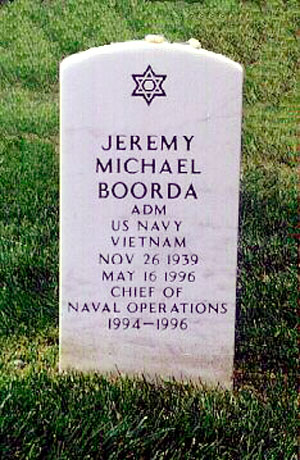 and the U.S. Navy -- namely, his unauthorized wearing of two combat "V" (valor) devices on his Navy Achievement and Navy Commendation medals for service in Vietnam -- was false. Boorda reportedly took his own life by a self-inflicted shot gun blast at the CNO's residence at the Washington Navy Yard.
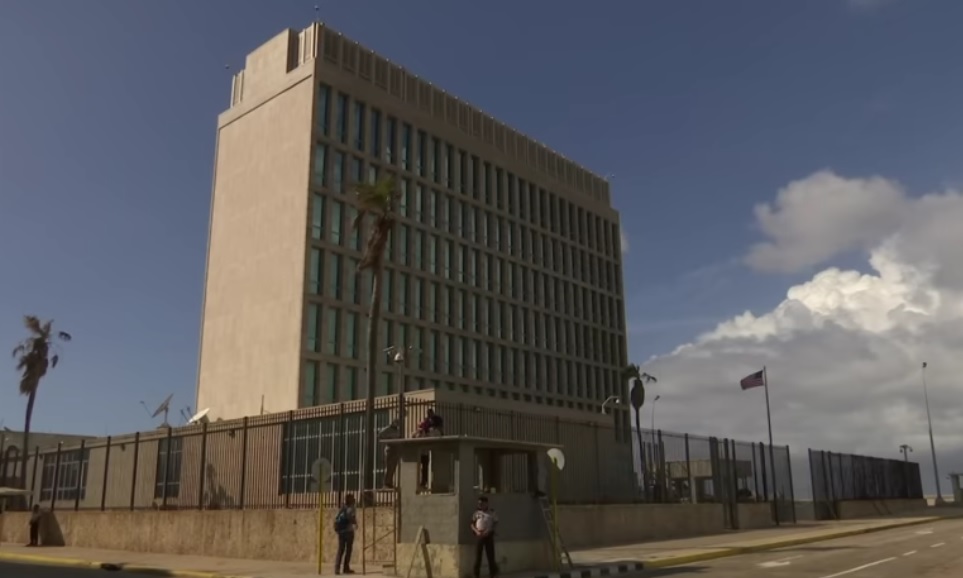 Havana. The Cuban government even invited the FBI to come to Cuba to join in its investigation of the sonic attacks. The Trump administration refused the Cubans' invitation. Nevertheless, without a shred of evidence, Trump's spokespeople blame the Cuban government for the sonic interference directed at the U.S. embassy [pictured left].
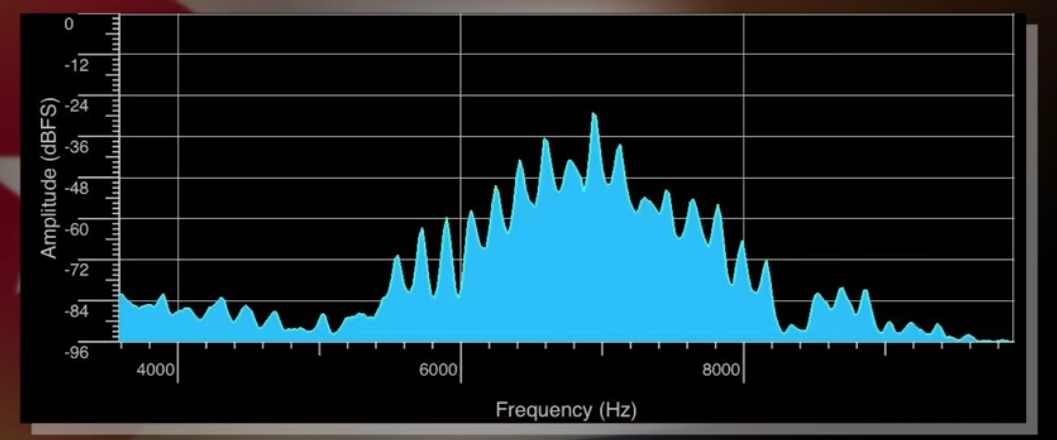 The entire "sonic weapon" attack operation appears to be a major false flag attack designed to hurt the Cuban economy and freeze relations between Washington and Havana. The reported sonic attacks on Canadian diplomats are obviously targeted at the government of Prime Minister Justin Trudeau. The Trudeau family, including the late Prime Minister Pierre Trudeau, the present prime minister’s father, remained close friends of Cuban President Raul Castro and his late brother and president, Fidel Castro. Anything that could be used to sour close Canadian-Cuban ties would be implemented by the CIA under the direction of Pompeo, a fundamentalist Christian "creationist," who rejects most conclusions of modern science, including evolution and the age of the Earth.
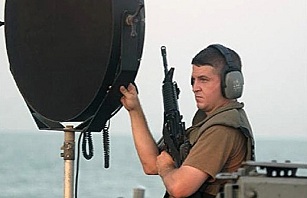 Today,


